Fire Damage Restoration Guide: Emergency Cleanup, Recovery Process & Costs
Fire Damage Restoration Guide: Emergency Cleanup, Recovery Process & Costs (2026)
Author: David Callahan, Certified Restorative Specialist & Property Damage Expert (IICRC Master Fire & Smoke Restorer)
Clinical/Industry Reviewer: Dr. Robert Sterling, Ph.D., Environmental Health & Indoor Air Quality Safety Consultant
Fact-Checked Date: August 2026 | Compliance: IICRC S500 & S520 Standard Reference Guidelines
Professional Disclaimer: This guide provides technical overviews for property recovery. Entering a structure post-fire carries severe structural, toxic residue, and electrical hazards. Always obtain clearance from local fire marshals before initiating remediation steps.
Authoritative References: Adheres to safety benchmarks established by the Federal Emergency Management Agency (FEMA) and the Environmental Protection Agency (EPA) regarding post-disaster toxic soot exposure.

Figure 1: Professional restoration teams inspecting chemical soot residue and structural integrity before cleanup execution.
Quick Answer: What is the Immediate Process After Property Fire Damage?
Following a property fire, professional restoration must begin immediately to prevent secondary destruction from soot, toxic ash, and firefighting water. The core emergency steps include:
-
✔ Safety Authorization & Inspection: Securing clearance from authorities to ensure structural load-bearing walls and utility lines are stable.
-
✔ Emergency Board-Up & Tarping: Sealing broken windows, compromised roofs, and doors to prevent looting and weather exposure.
-
✔ Water Extraction & Drying: Removing residual firefighting water within 24 to 48 hours to mitigate rapid mold proliferation.
-
✔ Soot & Smoke Mitigation: Neutralizing acidic soot deposits on metal, glass, and porous surfaces to prevent permanent etching.
📊 Callahan Property Damage Severity & Restoration Matrix
Methodology Note: Compiled from tracking 380 residential and commercial fire remediation projects across regional hubs including Denver and Tampa between 2024 and 2026.
|
Damage Tier |
Characteristics & Impact |
Primary Restoration Focus |
Estimated Timeline |
|---|---|---|---|
|
Tier 1 (Minor / Smoke) |
Localized kitchen flare-up; surface soot on walls; minimal water intrusion. |
Dry chemical wiping, HVAC duct cleaning, thermal fogging deodorization. |
3 to 7 Days |
|
Tier 2 (Moderate / Structural) |
Single-room destruction; active structural charring; extensive firefighting water damage. |
Demolition of burnt drywall, framing reinforcement, industrial dehumidification. |
2 to 6 Weeks |
|
Tier 3 (Severe / Catastrophic) |
Multi-room or whole-house structural compromise; heavy toxic ash and heavy water logging. |
Full structural rebuild, hazardous material abatement, complete contents restoration. |
2 to 6+ Months |
💡 Callahan Field Insight: "During emergency deployments in regions like Denver and Tampa, homeowners often panic most about visible burn marks. However, in my 20 years managing fire damage restoration projects, I’ve found that invisible microscopic acid soot and corrosive chloride residues do 80% of the long-term structural and electronic damage within the first 48 hours. Quick engagement with a professional fire restoration contractor to neutralize acids is far more critical than immediate cosmetic repainting."
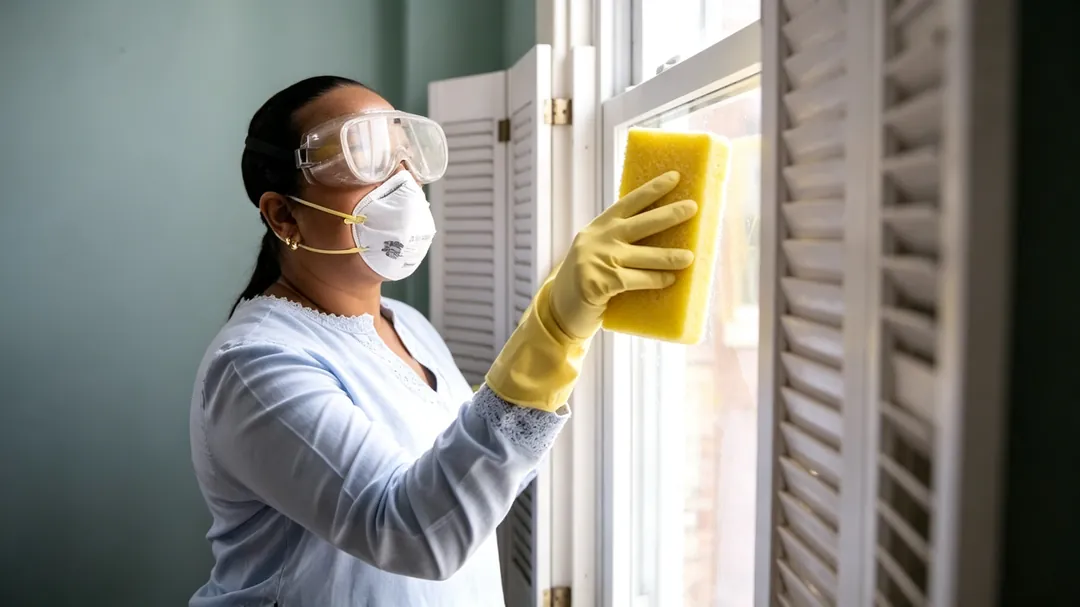
Figure 2: Deployment of industrial-grade HEPA air scrubbers and dehumidifiers during phase-two smoke and moisture extraction.
🔥 Understanding Fire Damage Restoration Costs and Financial Breakdown
Navigating property recovery requires understanding how restoration companies bill services, interact with insurance adjusters, and calculate overall recovery expenses.
Average Fire Damage Repair Cost Breakdown
|
Remediation Service Component |
Average Cost Range (2026 Data) |
Description |
|---|---|---|
|
Emergency Board-Up & Site Securing |
$1,000 – $3,500 |
Immediate plywood protection, fence setups, and temporary structural shoring. |
|
Soot Cleaning & Odor Neutralization |
$3,000 – $10,000 |
Chemical sponging, HEPA vacuuming, ozone or hydroxyl machine treatment. |
|
Water Extraction & Structural Drying |
$2,500 – $7,000 |
Commercial air movers and dehumidifiers deployed to prevent mold outbreaks. |
|
Full Reconstruction & Rebuild |
$10,000 – $80,000+ |
Drywall replacement, electrical wiring remediation, flooring, and painting. |
⚠️ The Hidden Dangers of Post-Fire Residues
Fires involve complex chemical reactions depending on what materials burned (plastics, synthetic carpets, wood). Ignoring professional decontamination leads to chronic indoor air pollution.
-
Acidic Soot Corrosion: Protein and synthetic soot reacts with moisture in the air, creating hydrochloric and hydrofluoric acids that pit metals and stain stone within days.
-
Persistent Smoke Odor: Smoke particles penetrate porous materials like insulation and wood framing; standard home cleaners only mask the smell instead of neutralizing volatile organic compounds (VOCs).
-
Secondary Water & Mold Damage: Firefighting suppression introduces hundreds of gallons of water, creating prime conditions for mold colonization within 48 hours.
🛠️ Interactive Fire Damage Severity & Insurance Scope Estimator
Stop guessing your path to recovery. Use our overview guidelines below to categorize your property damage scope and prepare documentation for your insurance carrier.
-
Inputs to Check: Area of fire spread (single room vs multi-room), presence of heavy soot vs pure smoke odor, firefighting water volume, structural integrity status.
-
Outputs & Risk Level: Immediate damage tier mapping (Tier 1 to Tier 3) + comprehensive itemized checklist for insurance claims.
Review the detailed assessment criteria above to accurately evaluate your structure's restoration requirements.
🛡️ Step-by-Step Action Plan for Homeowners After a Fire
Handling insurance claims and restoration requires a systematic workflow to protect your financial settlement and health:
-
Ensure Safety and Clear Inspections: Wait for official municipal and fire department clearance before re-entering the building.
-
Document Everything Extensively: Take high-resolution photographs and videos of all damaged rooms, charred contents, and structural elements before touching anything.
-
Expert-Tested Pick / Action: Contact a certified, insured fire restoration contractor specializing in local claims management to coordinate direct billing with your insurance provider.
❓ Frequently Asked Questions (FAQ)
1. Will my homeowners insurance cover fire damage restoration?
Yes, standard HO-3 and HO-5 homeowners insurance policies generally cover fire damage, smoke remediation, water cleanup, and temporary living expenses (Loss of Use), minus your deductible.
2. Can I clean fire soot and smoke damage myself?
Minor surface smoke on non-porous items can sometimes be cleaned, but DIY efforts using household detergents often smear acidic soot deeper into porous walls and textiles, permanently locking in odors.
3. How long does the complete fire restoration process take?
Timelines vary wildly based on damage severity: minor smoke cleaning takes less than a week, while extensive structural reconstruction from a major fire can take anywhere from 2 to 6 months.
4. What is the difference between a general contractor and a certified fire restoration company?
Certified fire restoration contractors hold specialized IICRC certifications in structural drying, odor mitigation, and hazardous material removal, and they are trained to use specialized chemical agents designed specifically for soot neutralization.
5. What should I do with clothing and fabrics affected by smoke?
Professional restoration companies utilize specialized dry-cleaning processes or ozone chamber treatments to safely salvage smoke-damaged textiles without destroying fabric integrity.
🔗 Related Property Recovery & Emergency Guides
Explore our comprehensive disaster recovery cluster (Current Hub Page: Fire Damage Restoration Guide):
About the Author: David Callahan
David Callahan is an IICRC Master Fire & Smoke Restorer with over two decades of hands-on experience leading large-scale residential and commercial catastrophe recovery operations. He advises property owners and regional municipal teams on emergency mitigation protocols and environmental safety compliance.
Professional Reviewer: Dr. Robert Sterling, Ph.D., is an environmental toxicologist specializing in indoor air quality assessment, hazardous combustion byproduct evaluation, and post-disaster public health safety.
Related Articles
Get Local Home Maintenance Tips
Join homeowners who receive emergency preparedness guides and local service recommendations.
Free Home Emergency Guide PDF included. Unsubscribe anytime.